Quiet Luxury, Scaled for Small Spaces

Today we explore curating a quiet luxury color and material palette for compact homes, balancing soft neutrals, tactile textures, and light-savvy finishes so small rooms feel serene, generous, and beautifully composed. Expect practical steps, honest materials, and story-driven insights you can use immediately. Share your questions in the comments, and subscribe for weekly, carefully edited design guidance that respects limited square meters and celebrates enduring quality without noise.

Soft Foundations That Expand a Room

Begin with a calm base that visually expands walls and ceilings while flattering natural and artificial light. Quiet luxury favors nuanced off-whites, warm greiges, and gentle taupes whose undertones feel human and forgiving. We will explore light reflectance values, adjacency effects, and subtle shifts that make tight volumes feel continuous, composed, and quietly confident without appearing cold or sterile.

Tactile Layers for Quiet Depth

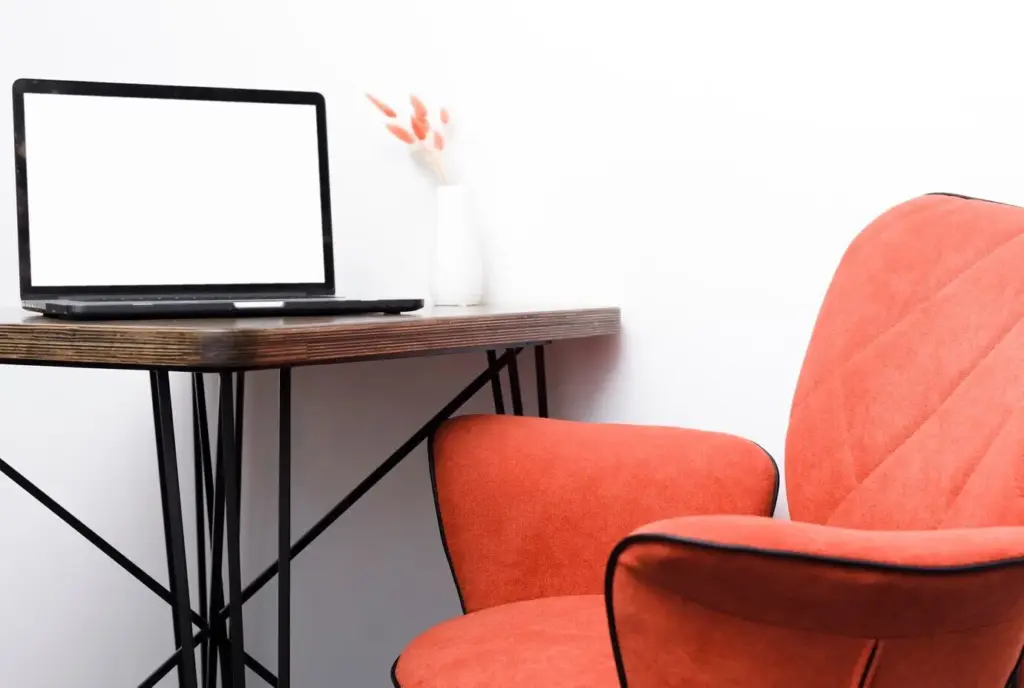
Texture brings the whisper of luxury that color alone cannot deliver. In compact homes, prioritize textiles with fine hand and low sheen to avoid visual heaviness. Layer natural fibers and restrained patterns that catch light softly without shouting. Thoughtful choice of upholstery, rugs, and window treatments adds comfort, acoustic softness, and sensual richness while maintaining the clarity and restraint central to a quiet, confident interior.

Honest Surfaces: Wood, Stone, and Metal

Light as the Most Luxurious Material

Light shapes color, reveals texture, and sets the emotional register of compact spaces. Prioritize high-CRI warm LEDs, glare control, and layered scenes that move from task clarity to evening intimacy. Treat light as a material: bounce it off matte planes, cradle it within alcoves, and let it graze texture. The right spectrum and positioning will make neutral palettes bloom and small rooms feel tender, generous, and composed.

Warm LEDs and True Color Rendering

Choose lamps with 90+ CRI, ideally 95+, and a strong R9 value so woods, textiles, food, and skin look beautifully alive. Stick to 2700K for most living areas, with dim-to-warm drivers for evening softness. Avoid cold 4000K tones that drain neutrals. Position fixtures to wash walls instead of blasting glare downward. With accurate color rendering, your palette feels richer, materials read authentic, and the mood remains quietly human.


Layered Lighting in Compact Rooms

Combine trimless downlights with narrow beams, wall sconces for eye-level glow, under-cabinet task lighting, and a small-scale table lamp to anchor intimacy. Put every circuit on dimmers to adapt from work to unwind. In tight rooms, avoid oversized fixtures that visually crowd the ceiling plane. Keep reflectors matte and glare-shielded. This layered approach lets surfaces shimmer softly, textures breathe, and proportions feel taller and calmer throughout the day.

Mirrors, Sheen, and Gentle Bounce

Use mirrors sparingly and frame them in the same metal finish as hardware to maintain cohesion. Place them opposite soft light rather than direct glare to create depth without harsh reflections. Prefer matte or eggshell paint on walls, reserving satin for trims and high-use joinery. Gentle sheen shifts orchestrate light beautifully, letting rooms feel bright yet restful, avoiding the frantic sparkle that can shrink and agitate compact interiors.

Smart Scale, Storage, and Seam Lines

In compact homes, calm is created by joinery discipline and proportions that breathe. Conceal clutter with built-ins, align reveals, and let color continuity reduce visual fragments. Choose fewer, better pieces with generous forms rather than many tiny items. Design shadow lines and negative space as intentionally as you select fabrics. The result is quiet order that gives your materials and colors room to speak softly and clearly.

Palette Building, Sampling, and Decision-Making

A disciplined process prevents costly missteps. Build a hierarchy: base, complementary neutral, accent depth, wood tone, stone, and metal. Assemble large samples and test them together under day and evening light. Document exact product codes, finishes, and sheens. Treat the process like composing music: repeating notes, gentle transitions, and a few purposeful crescendos. The result is confidence, clarity, and enduring calm that transcends trends.

Sourcing, Sustainability, and Care That Lasts

Zomehivovikukazato
Privacy Overview

This website uses cookies so that we can provide you with the best user experience possible. Cookie information is stored in your browser and performs functions such as recognising you when you return to our website and helping our team to understand which sections of the website you find most interesting and useful.