Subtle Lighting for Quiet Luxury in Small Rooms
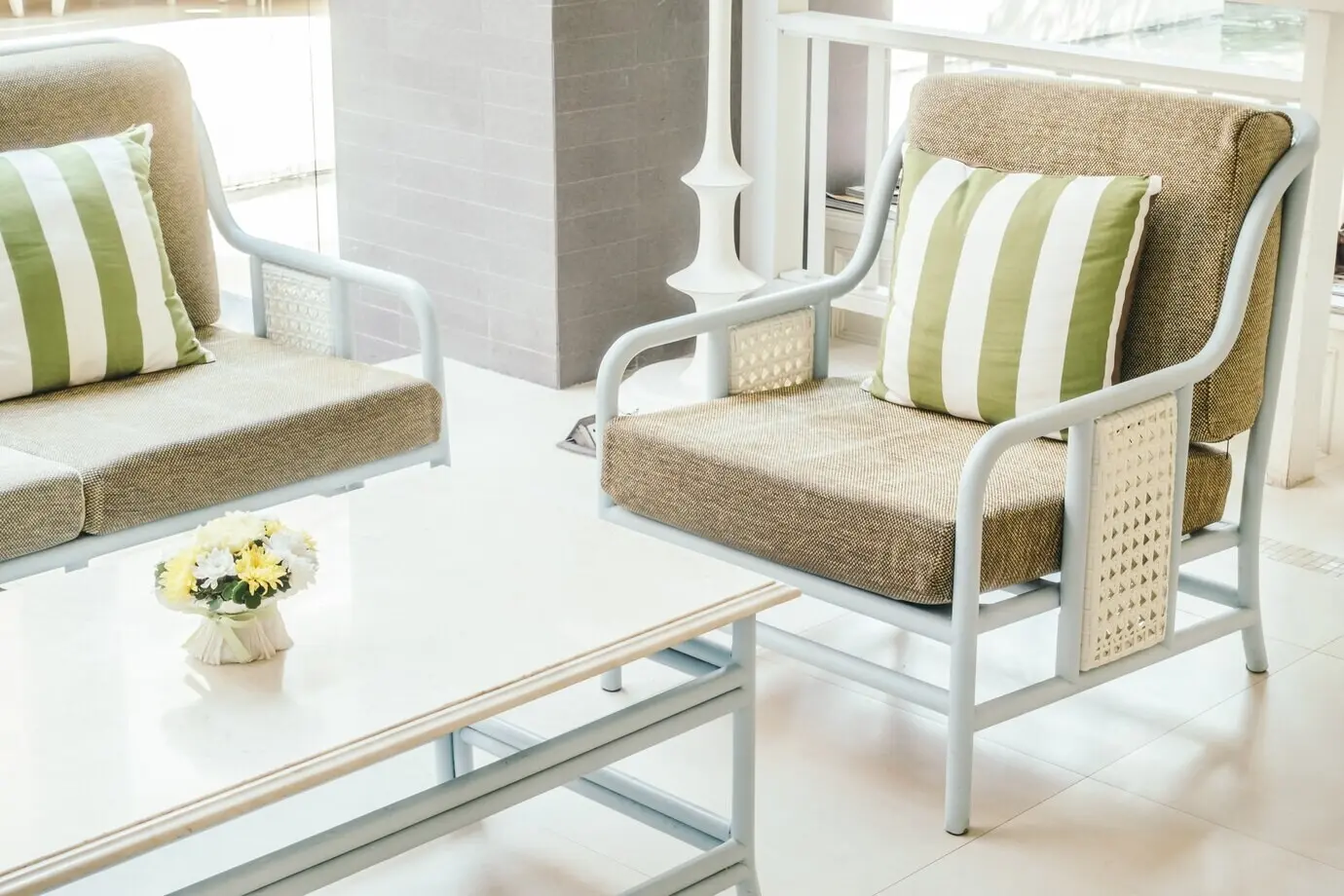
Today we explore subtle lighting schemes to achieve a quiet luxury ambiance in small rooms, focusing on layers that soothe rather than shout. Expect warm-dim sources, soft-edged shadows, high-CRI color fidelity, and discreet fixtures that enrich textures without clutter. We will translate professional techniques—dimming curves, cutoff angles, reflective strategy—into actionable steps for compact spaces. You will discover how modest luminance, thoughtful placement, and tactile materials create serenity, depth, and a sense of considered craftsmanship that reads as quietly luxurious from the first evening glow to the last late-night pause.

Layering Light with Intention

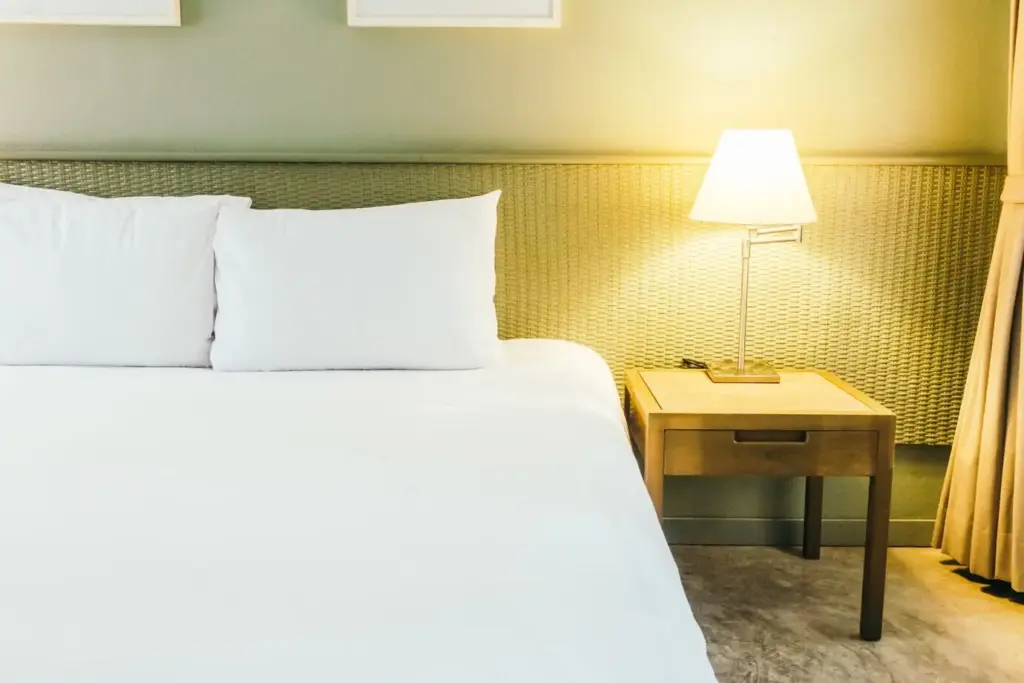
Begin by organizing ambient, task, and accent layers so a small room feels balanced and calm rather than overlit. Think of ambient as the breathable base, task as precise highlights for reading and working, and accent as delicate punctuation. Aim for low overall brightness with distinct, dimmable pockets. A gentle ratio—around half ambient, one third task, and the remainder in accents—keeps volumes legible without glare. When each layer can shift independently, the room becomes elastic, welcoming both morning clarity and intimate evening hush with a turn of a dial or tap of a scene button.

Color Temperature, CRI, and Material Harmony

Quiet luxury depends on color that flatters skin, textiles, and wood. Favor 2700–3000K sources, ideally warm-dim modules that drift to candlelike tones as you lower output. Seek CRI 90+ and strong R9 values to honor reds, leathers, and walnuts. Pair light with material reflectance: matte plaster, travertine, and linen diffuse glow; brass, alabaster, and silk softly catch highlights. The goal is depth without dazzle. By aligning spectrum, finish, and brightness, small rooms read spacious and refined, where every surface feels intentionally illuminated, never bleached or overpolished by unforgiving cool temperatures.

Compact Fixtures, Big Impact

Small rooms reward discretion. Choose slim sconces, mini-pendants, shallow recessed with dark baffles, and cordless table lamps to avoid cable chaos. Picture lights and micro spots direct attention while remaining visually quiet. Favor low-profile backplates and refined finishes—patinated brass, soft black, or porcelain—that age gracefully. Keep fixture count lean by investing in adjustability and superior optics. When scale is disciplined and hardware respects sightlines, the space feels tailored. Subtlety communicates quality more convincingly than size, turning each luminaire into a considerate gesture rather than a loud object competing for dominance.

Shadow Choreography and Glare Control

Quiet luxury depends on what you do not see: no bare bulbs, no sharp cutlines, no hard reflections across screens or frames. Use baffles, snoots, and honeycomb louvers to guard eyes, and angle beams to skim texture rather than strike directly. Soft-edged shadows define forms, adding richness without visual aggression. Think of light as a velvet drape, revealing contours with restraint. Control reflections by choosing satin rather than high-gloss surfaces near light sources. When glare vanishes, small rooms feel mysteriously deeper, like the hush of a well-tuned gallery after closing time.

Soft Edges, Gentle Contrast

Avoid knifelike shadows by selecting optics with smooth falloff. Wall-grazing should reveal plaster or fabric without banding, while table lamps should soften cheekbones rather than carve them. Keep contrast ratios comfortable—no single element should dominate. In practice, a fabric shade, an opal diffuser, or a wide-beam downlight with a dark reflector provides grace. The eye relaxes; time seems to slow. Small rooms benefit enormously from this softness, because stagnant, high-contrast edges shrink perceived volume and create little visual ambushes that feel cheap and fatiguing.

Shielding and Cutoff

Prioritize fixtures with deep recessed LEDs, minimum forty-five degree cutoff, and accessories like louvers or films where needed. Shielding is elegance. It lets you run higher intensity on a surface without blinding occupants. Angle adjustable downlights carefully, aiming beams to cross over rather than point outward. Sconces should hide lamps entirely when seen seated. Even a simple table lamp benefits from a taller shade that conceals the source. Collectively, these decisions edit discomfort out of the picture, leaving only the refined, enveloping atmosphere that defines quiet luxury.

Four Scenes that Always Work

Build a simple scene set so you never second-guess. Bright for chores, with ambient up and task vivid. Everyday for conversation, with ambient gentle and accents alive. Wind Down for softness, warm-dim low with just a few textures glowing. Nightlight for pathways, barely there but reassuring. Label buttons clearly or arrange app tiles intuitively. This minimal grammar scales across seasons and guests, ensuring consistency without complexity. When routines require no thought, the room’s small footprint recedes and the impression of composed, thoughtful luxury steps forward quietly.

Tactile Controls, Human Comfort

Prefer dimmers and keypads with reassuring click or refined haptics. Backlighting should be subtle and adjustable, never a beacon at 2 a.m. Mount controls at intuitive heights, and group them logically so a single gesture achieves comfort. If using voice or app, maintain a physical fallback for guests. The interface is part of the experience; clumsy controls break the spell. In a small room, flawless control feels disproportionally upscale, transforming humble fixtures into a unified, civilized system that respects the body and the cadence of everyday living.

Automation with Restraint

Automate where it simplifies, not where it dazzles. Sunset triggers can sweep warmth across the room, then settle accents for evening. Motion sensors may gently cue hallway nightlights, but avoid startling occupants with sudden brightness. Integrate schedules with charging routines for cordless lamps so readiness feels effortless. The aim is invisible assistance, not gadgetry. When automation recedes, the sensory experience of warm textures, calm shadows, and polite brightness commands attention, expressing quiet luxury even within the most compact square meters.


Real Rooms, Subtle Transformations

Practical stories reveal how a few well-placed, high-quality sources can change everything. From a studio corner that felt cramped to a bedroom that finally exhaled, these examples show layering, warm-dim control, and glare discipline in action. Notice how each decision supports restraint: fewer fixtures, better optics, smarter placement. The results are not about spectacle, but about comfort, poise, and detail that rewards a lingering glance. Use these narratives as starting points for your own space, then share outcomes so we can refine together.
Zomehivovikukazato
Privacy Overview

This website uses cookies so that we can provide you with the best user experience possible. Cookie information is stored in your browser and performs functions such as recognising you when you return to our website and helping our team to understand which sections of the website you find most interesting and useful.